Planning flatbed hire in Southend On Sea
A dropside hire for a building job, a garden project or a house clearance in Southend-on-Sea goes best when you plan the unloading end as carefully as you choose the vehicle. This page is for private customers, trades and commercial users who want a self-drive flatbed or dropside. It covers what to settle before you book, collect and unload.
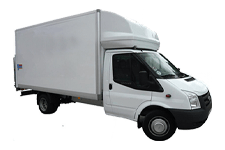
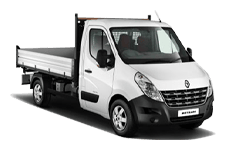
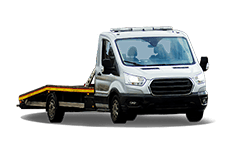
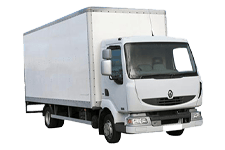
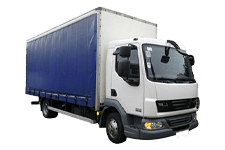
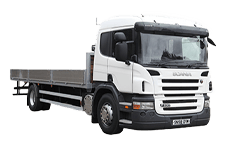
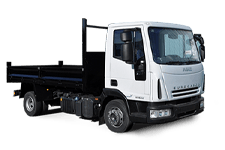
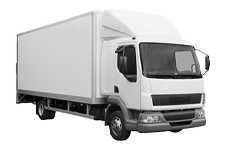
The vehicle types shown here are typical examples, not a promise of what is in stock nearby. Before you commit, get the hire company to confirm the details of the vehicle you will actually get: its plated weight, the payload it can carry, its bed size, any tail lift rating and the straps or other restraint equipment supplied. You also need to know where the vehicle can legally park while the load comes off, because a well-chosen truck is little use if it has nowhere to stop.
Matching the bed to the load you are carrying
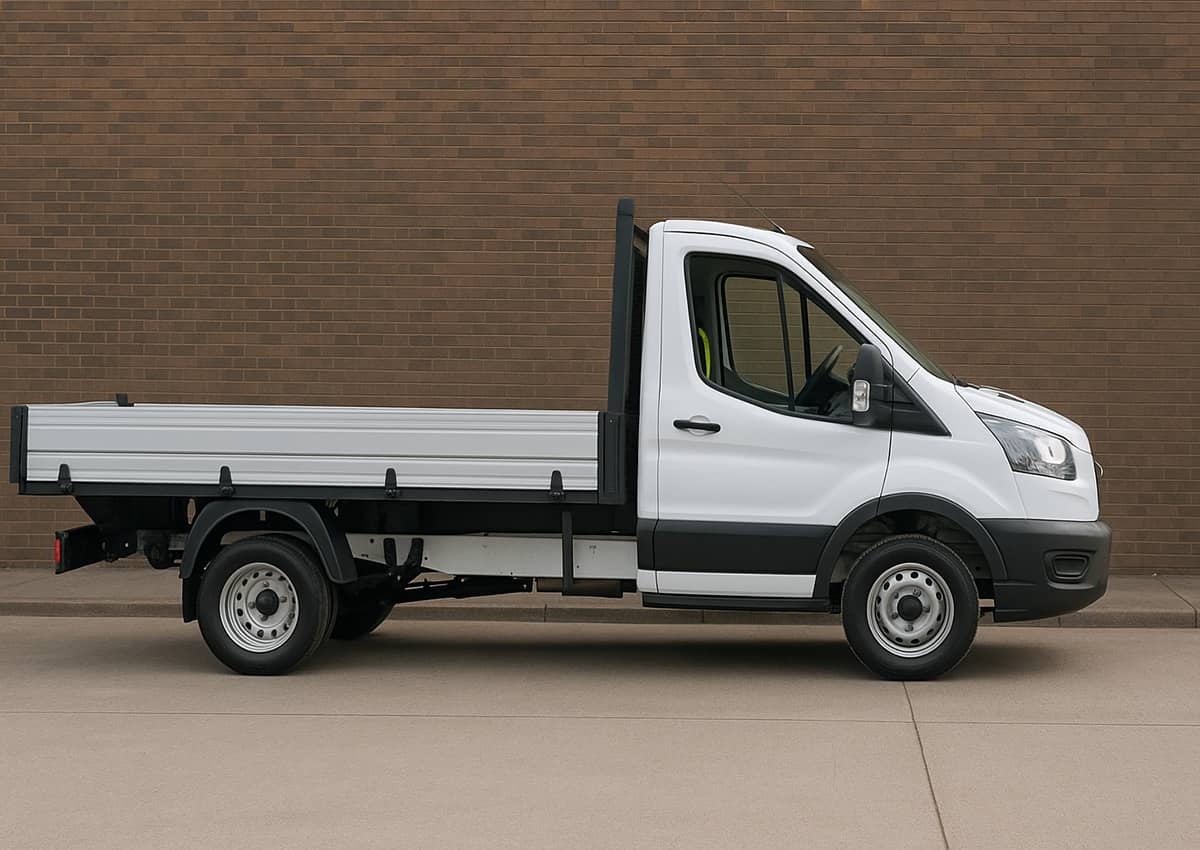
Start with the longest item and the heaviest item, not the total volume. A 3 metre dropside suits fencing panels, boards, bagged materials and small plant, and it works where a lorry would be awkward on a residential street. A 4 metre dropside gives extra deck length for longer timber, pipe or pallets laid end to end. On both, the folding sides let you reach goods from the pavement edge instead of climbing onto the bed.
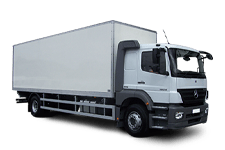
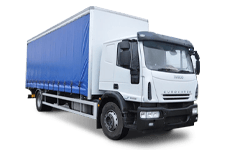
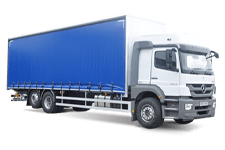
A 7.5 tonne dropside lorry has a longer, wider deck for scaffold tube, several pallets or heavier machinery. That extra space comes with conditions: a different licence, a bigger footprint at the kerb and a harder unloading plan. If your goods need protecting from rain, an enclosed Luton or box body may be the better choice. Published dimensions are only typical, so ask for the figures of the vehicle you will get in writing.
Sources: Nationwide Hire UK: 3 metre dropside, Nationwide Hire UK: 4 metre dropside, Nationwide Hire UK: 7.5 tonne dropside
Gross weight, payload and the licence you hold
The maximum authorised mass, often called gross vehicle weight, is the most the vehicle may legally weigh when loaded. It is normally shown on the plate or sticker. Payload is what is left once you subtract the vehicle itself, fuel, the driver, passengers and any pallets or packaging. A 3.5 tonne van does not carry 3.5 tonnes of goods, so ask for the real payload of the unit you will drive.
Which licence you need depends on the plated maximum authorised mass. A standard category B licence generally covers vehicles up to 3.5 tonnes. Vehicles above 3.5 tonnes and up to 7.5 tonnes generally need category C1. Check the categories on every driver's licence, not just the lead driver's, and ask the hire company about its own age or experience rules. On multi-drop runs, the weight on each axle changes as goods come off. Redistribute the load after each drop, and use a weighbridge if the figures are close.
Sources: GOV.UK: vehicle weights explained, GOV.UK: driving licence categories, DVSA: HGV overloading basics
Reserving kerb space in Southend-on-Sea: start early
If you want a stretch of on-street parking kept free for a building delivery or a removal, the council needs your parking suspension application at least ten working days before the start date. Weekends and bank holidays do not count, so asking on a Friday for the following Friday is far too late.
Work backwards from the job. Fix the unloading date first, send the application in good time, and only then book the hire. If the date slips, do not assume the reservation moves with it. Describe the vehicle and the task exactly as they will be on the day. A longer body or a longer stay than you described could leave you without cover.
Sources: Southend Council: permissions
Suspension, dispensation and what an application does not give you
These are two different things. A suspension takes marked parking bays out of general use for a set time so your vehicle has somewhere to stand. A dispensation is permission to wait where a restriction would normally stop you. The council's guidance excludes places with a loading restriction shown by kerb markings. If the kerb outside the address has those markings, find a legal alternative instead of hoping a permit will cover you.
Sending in an application does not give you permission. Until the council approves it, plan as if you have none. Once approved, the council's terms say it may only be used for the purpose stated in the application. In practice that means loading or unloading the job you described without long gaps. Leaving the dropside parked while you work indoors, or keeping it in the space overnight, is a different use and you should not assume it is covered.
Sources: Southend Council: permissions, Southend Council: suspension terms
A backup plan when the space is not clear
Even an approved suspension does not promise an empty kerb. The council says it cannot guarantee that a particular space will be available. On the day you may find a car already parked there, works on the street or a gap narrower than you measured.
Before you collect the vehicle, agree a second place to stop with the person receiving the goods. That could be a driveway, a private yard, a nearby legal loading place or a different time. Measure how far you would have to carry goods from each option, and decide in advance who will move items by hand trolley if you cannot stop right outside. If none of the options works, wait or rebook. Do not stop on restriction markings or across a pavement.
Sources: Southend Council: suspension terms, HSE: safe loading and unloading
Securing the load and working from the side
Whoever loads the vehicle and whoever drives it are responsible for loading it safely, securing it for the journey and unloading it safely. On an open bed, the weight of the goods and friction alone will not hold them in place. Before loading, check the deck, sides, headboard and anchor points for damage, and confirm the gross weight and axle limits for the vehicle you have been given.
Use rated straps or chains fixed to proper anchor points, not to sheeting or rope hooks. Add chocks or anti-slip matting for anything that could roll or slide. Lower the sides only on level ground, keep people clear while they swing down, and raise and latch them again before you drive. If anything sticks out past the bed, measure it and check the official guidance on overhanging loads, which explains how to mark the load and when you must give notice in advance.
Sources: DVSA: securing loads on HGVs and goods vehicles, DVSA: load securing basics, DVSA: ways to secure a load, DVSA and DfT: overhanging loads on vehicles
Tail lifts and unloading safely at the address
A tail lift is a real help with pallets and wheeled equipment where there is no loading dock. However, the weight the lift is rated for is a separate figure from the vehicle's payload. Confirm both figures and the platform size, and check whether a pallet truck will work on the ground where you will unload. Soft verges, gravel drives and sloping roads can make a tail lift or pallet truck unstable.
Pick an unloading spot that is clear and as level as possible, with the vehicle standing steady and the handbrake on. Agree who does what before the first item moves, keep passers-by away from the side you are working on, and follow the equipment's instructions. Unload in an order that keeps the remaining goods balanced and strapped down.
Sources: Nationwide Hire UK: dropside with tail lift, HSE: safe loading and unloading
Questions to settle with the hire company
Terms vary between companies, and your booking is governed by the documents from the company you actually hire from. Before you commit, ask what restraint equipment comes with the vehicle, what the insurance covers for your goods and your planned use, and whether any age, experience or commercial-use conditions apply to the drivers.
Trades and commercial users should also check that the vehicle may be used for the specific job, such as carrying waste or plant. Ask what happens if you return the vehicle late because your unloading slot moved. Private customers moving house or clearing a garden should ask the same questions, because the road risks are the same for everyone.
Sources: Third-party reference: Nationwide Hire UK terms and conditions, GOV.UK: driving licence categories